Exploring Tirzepatide, Retatrutide, and Glutathione in Health Research
Brooksville, United States – November 14, 2025 / Wholesale Peptide /
Peptides are short sequences of amino acids that function as signaling molecules, playing a significant role in various biochemical pathways. Investigations into these compounds have concentrated on their capacity for metabolic modulation, tissue repair, and redox regulation. Notable compounds in these fields include tirzepatide, retatrutide, and glutathione, along with other peptides studied for their structural or regenerative capabilities. A thorough understanding of their mechanisms, formulations, and research considerations is essential for conducting controlled experimental studies.
Tirzepatide and Receptor Agonism
Tirzepatide operates as a dual receptor agonist, specifically targeting glucose-dependent insulinotropic polypeptide (GIP) and glucagon-like peptide-1 (GLP-1) receptors. This dual action influences metabolic signaling by adjusting pathways related to glucose management, lipid metabolism, and gastrointestinal motility. The molecule shows a greater affinity for GIP receptors and demonstrates biased signaling at GLP-1 receptors, leading to unique metabolic and gastrointestinal outcomes.
There are two FDA-approved products featuring tirzepatide: Mounjaro, which is indicated for type 2 diabetes research, and Zepbound, aimed at metabolic regulation and body-weight research. Both products utilize subcutaneous pen administration. The primary difference between them lies in their labeled research indications rather than their molecular actions, offering various frameworks for experimental exploration.
Retatrutide and Multireceptor Modulation
Retatrutide is a triple-receptor peptide that targets GIP, GLP-1, and glucagon receptors. Its design aims to broaden the scope of metabolic signaling modulation. Phase II trials have indicated significant reductions in weight metrics under controlled research conditions, with average reductions surpassing those seen with dual-agonist peptides. Research is currently focused on how receptor distribution impacts lipid metabolism, energy balance, and hepatic signaling. The compound is in advanced clinical evaluation, with regulatory status dependent on further data.
Glutathione: Antioxidant Signaling
Glutathione is a tripeptide made up of glutamine, cysteine, and glycine, serving as a vital intracellular antioxidant. It plays a key role in redox regulation, detoxification processes, and the maintenance of cellular thiol status. Experimental applications often concentrate on restoring or adjusting redox balance.
Oral supplementation of glutathione encounters absorption challenges. The reduced form of glutathione has limited oral bioavailability, whereas S-acetyl-L-glutathione provides enhanced stability and cellular transport. Liposomal glutathione, which is encapsulated in lipid vesicles, achieves higher plasma concentrations. The choice of formulation for research is influenced by factors such as stability, bioavailability, and the capacity to modulate systemic or tissue levels of glutathione.
Additional Peptides for Structural and Regenerative Research
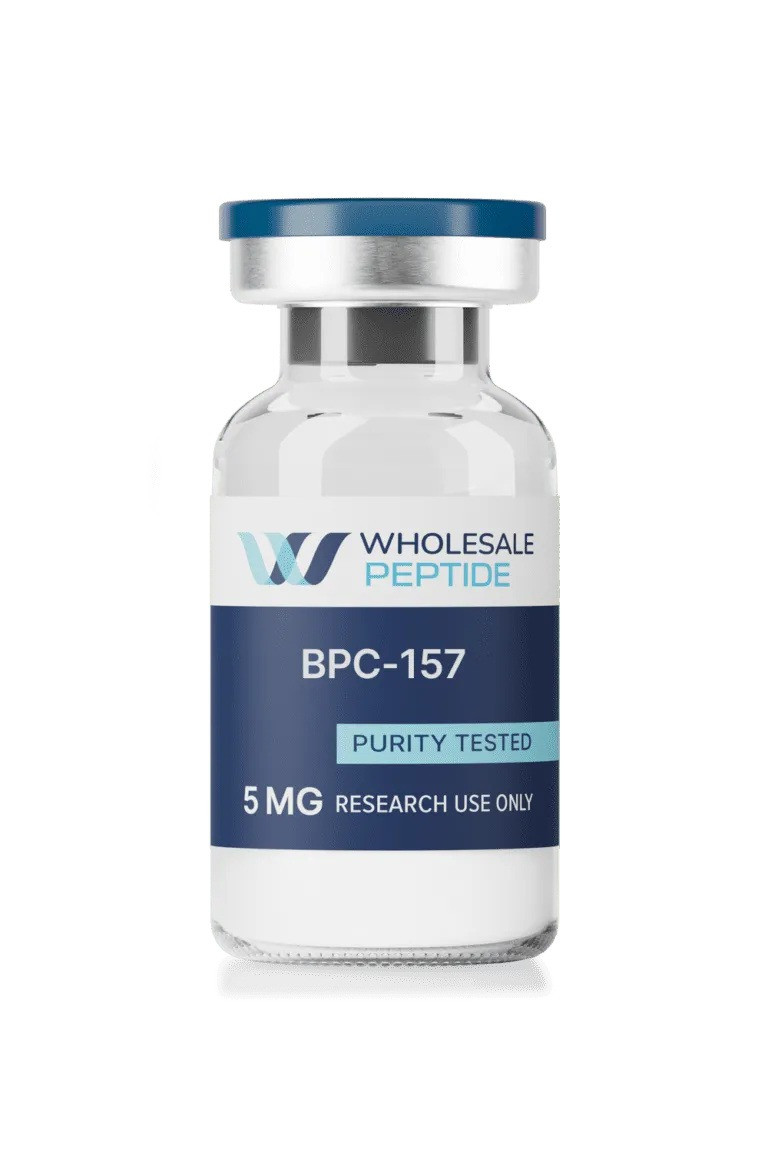
In addition to metabolic peptides, research is also exploring compounds that may impact tissue structure, repair, or protein synthesis. BPC-157 is a synthetic fragment of a gastric protein that has been investigated for its effects on angiogenic pathways, local inflammatory signaling, and mechanisms of tissue repair. Most of the available evidence is preclinical, and controlled experimental data remains limited.
CJC-1295 and Ipamorelin are analogs that target growth hormone-related receptor systems. Their combined use in research can stimulate pulsatile endogenous hormone release, affecting downstream signaling such as insulin-like growth factor pathways and protein synthesis. Additionally, collagen peptides, which are hydrolyzed fragments of structural proteins, are being studied for their effects on connective tissue signaling and matrix composition. Key parameters in these studies include absorption and distribution characteristics.
Research Integrity, Monitoring, and Costs
Peptide research involves measurable biochemical and physiological parameters. The observed effects include modulation of glucose and lipid pathways, markers of tissue repair, and antioxidant capacity. Potential experimental risks may include gastrointestinal reactions, local site effects from administration, and alterations in biochemical profiles that necessitate monitoring.
The costs associated with peptide research can vary significantly. Branded receptor agonists typically represent the highest expenses, followed by compounded peptides that require customization or analytical procedures. Oral peptide preparations are generally less expensive, but the complexity of formulation and verification standards can influence overall costs. Laboratory assessments and monitoring also contribute to the total investment in research.
Regulatory Oversight and Sourcing
Conducting reliable research necessitates a careful distinction between FDA-approved products, investigational agents, compounded peptides, and dietary supplements. Each category presents unique regulatory implications that affect quality, traceability, and consistency in experimentation. Verification steps should include confirming regulatory status, evaluating manufacturer quality control, and reviewing analytical testing reports. Controlled studies ought to be performed under professional supervision with clearly defined monitoring protocols.
Utilizing unregulated or low-quality peptides can introduce variability in terms of purity, concentration, and biochemical activity. Contamination or improper preparation may compromise the results of studies. Selecting well-characterized compounds with documented verification can minimize experimental uncertainty and uphold data integrity.
Conclusion
Research on peptides encompasses metabolic, regenerative, and antioxidant domains. Tirzepatide exemplifies dual receptor modulation, whereas retatrutide offers opportunities for multi-receptor signaling. Glutathione remains a key model antioxidant for experimental studies, with a focus on formulation and systemic delivery. Additional peptides such as BPC-157, CJC-1295, Ipamorelin, and collagen fragments are being investigated for their roles in tissue signaling and structural modulation. Successful research depends on stringent sourcing, analytical verification, professional oversight, and compliance with regulatory standards, ensuring reproducible and scientifically sound outcomes.


Contact Information:
Wholesale Peptide
1204 S Broad St #336
Brooksville, FL 34601
United States
Julie Carter
+1888-348-8577
https://wholesalepeptide.com