
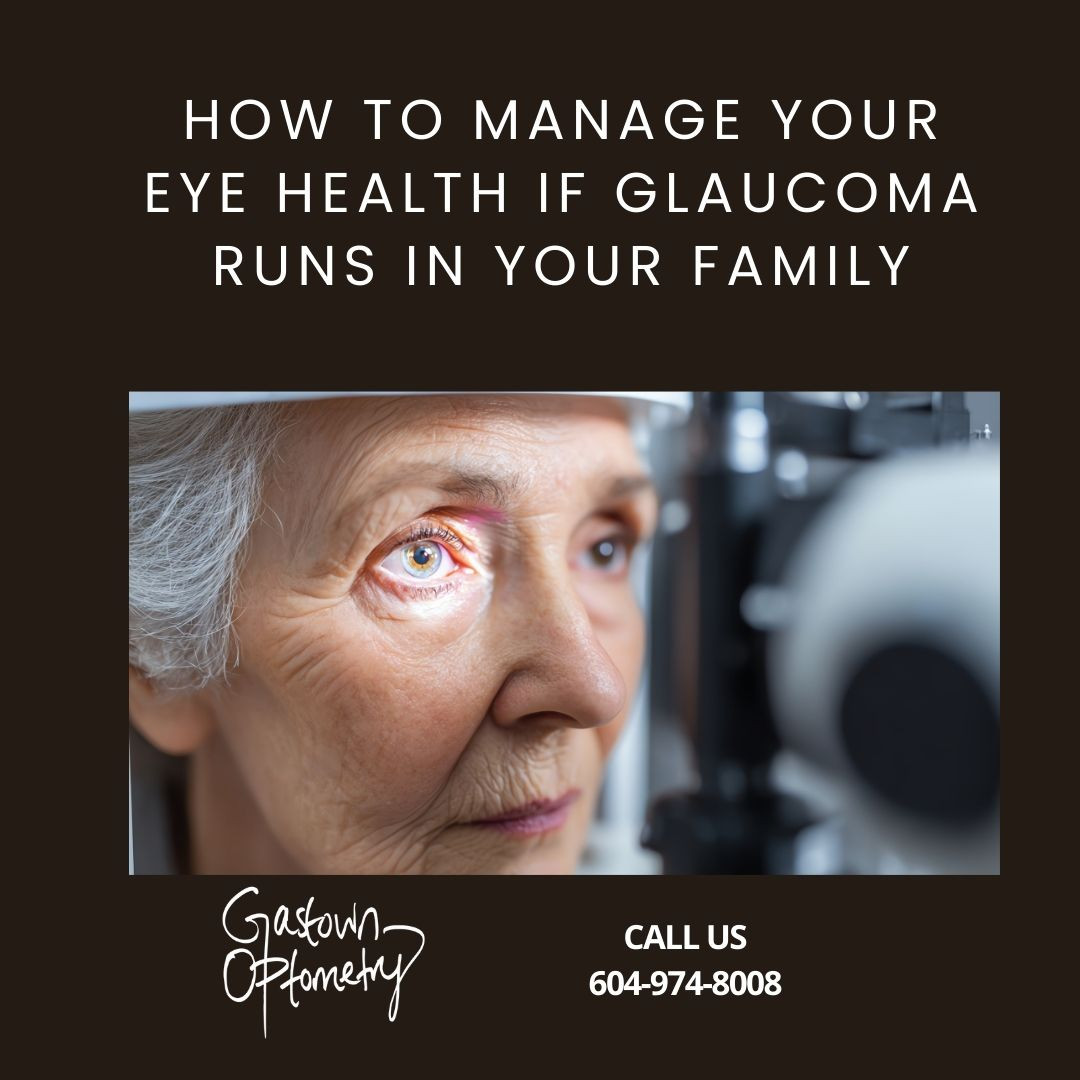
Protecting Your Vision: A Practical Guide for Those with a Family History of Glaucoma
Vancouver, Canada – December 22, 2025 / Gastown Optometry /
Understanding Glaucoma Risk When It Runs in the Family
Glaucoma is one of the leading causes of irreversible blindness worldwide, affecting more than 80 million people globally—a number expected to exceed 111 million by 2040, according to the BrightFocus Foundation. What makes glaucoma particularly dangerous is its silent progression; most people experience no symptoms until vision loss has already occurred.
Family history is one of the strongest known risk factors. The Glaucoma Research Foundation reports that individuals with a parent or sibling diagnosed with glaucoma are up to nine times more likely to develop the condition. This makes proactive management essential for those with genetic risk.
Readers seeking additional background may also explore:
Why Comprehensive Eye Exams Matter
Because glaucoma progresses quietly, early detection is the most effective tool in preserving long-term vision. The National Eye Institute emphasizes that early diagnosis can prevent or significantly slow vision loss in most cases.
Those with a family history should schedule comprehensive dilated eye exams every one to two years, or more frequently if recommended by an eye-care professional. These exams often include:
-
Intraocular pressure measurement
-
Optic nerve assessment
-
Visual field testing
-
Optical Coherence Tomography (OCT) to evaluate retinal nerve fiber layers
For individuals at higher genetic risk, this routine monitoring is not optional—it is foundational to early intervention.
Lifestyle Habits That Support Long-Term Eye Health
While glaucoma cannot be prevented outright, certain habits may help support overall eye health and reduce risk factors associated with the disease.

Nutritious Diet
Leafy greens such as kale, spinach, and collards have been associated with lower glaucoma risk due to their high nitrate and antioxidant content. A study in JAMA Ophthalmology found that people consuming these vegetables regularly were 20–30% less likely to develop glaucoma.
Regular Exercise
Moderate activity—walking, cycling, or jogging—has been shown to reduce intraocular pressure, an important factor in glaucoma progression.
Protecting the Eyes
Trauma to the eye can contribute to secondary glaucoma. Wearing protective eyewear during sports, yardwork, or activities with flying debris is a simple but impactful habit.
Managing Overall Health
Conditions such as high blood pressure, diabetes, and sleep apnea have been linked to optic nerve stress. Managing these conditions contributes to better long-term eye health.
What Happens If a Diagnosis Occurs?
A glaucoma diagnosis is not the end of clear vision. While there is no cure, treatment is highly effective when started early. Most patients begin with medicated eye drops designed to lower intraocular pressure. Others may require laser therapy or minimally invasive glaucoma surgery (MIGS). Follow-up appointments are essential to track how the optic nerve responds to treatment.
Gastown Optometry supports patients through diagnostic testing, personalized monitoring plans, and referrals to specialists when needed. Their approach prioritizes early detection and customized care—an essential combination for individuals with elevated genetic risk.
Why High-Risk Patients Should See an Optometrist Regularly
For anyone with glaucoma in their family, an experienced eye-care provider is a vital partner in long-term vision preservation. Individuals searching for trusted care can turn to a qualified optometrist Vancouver clinic like Gastown Optometry, which offers comprehensive screening and medical management tailored to each patient’s risk profile.
How to Manage Your Eye Health if Glaucoma Runs in Your Family
If glaucoma is part of your family health history, taking action now can significantly influence your long-term eye health. Start with a baseline eye exam, maintain a healthy lifestyle, and stay consistent with recommended screenings. The earlier glaucoma is detected, the more effectively it can be managed.
Gastown Optometry encourages individuals with a family history of glaucoma to schedule an eye exam and begin a personalized monitoring plan. Protecting your vision starts with proactive care—book your appointment today.


Contact Information:
Gastown Optometry
315 W Cordova St
Vancouver, BC V6B 1E5
Canada
Errin Bligh
+1 604-305-3104
https://gastownoptometry.com/
Original Source: https://gastownoptometry.com/

