In the real-world trenches of prepared food production, high heat and humidity aren’t just minor inconveniences—they are absolute killers for packaging reliability. When summer hits and workshops swelter at 35°C with 70%+ humidity, standard nylon bags stand no chance; they soak up moisture like a sponge and lose their structural integrity. This causes “messy wrinkling” during the vacuum stage that goes way beyond looks. We’re talking about a high-stakes failure point where poor seals lead to leakers and bloated packs, sending rework costs through the roof.
We looked at a large-scale prepared food plant where the vacuum packaging loss rate was stubbornly stuck at 5%. That’s not just a statistic—it meant flushing roughly RMB 180,000 down the drain every month. Beyond the cash, the constant rework caused a domino effect of delivery delays that kept production managers under fire. Even with a dedicated team of six workers scrambling to flatten bags by hand, they simply couldn’t hack it at full production speeds.
In April this year, the factory carried out a comprehensive upgrade targeting this issue, implementing simultaneous improvements in both equipment and packaging materials.
Equipment Upgrade to Withstand Harsh Conditions:
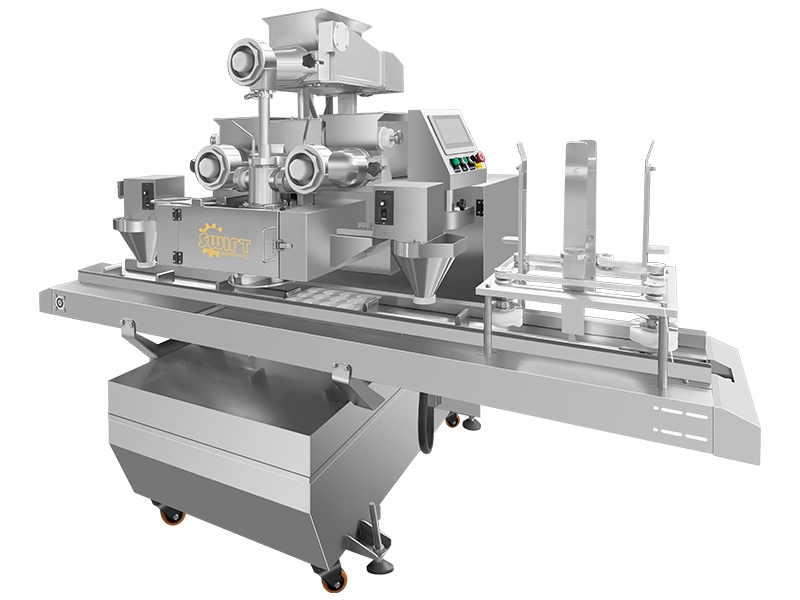
The factory replaced inefficient manual processes with a fully automated vacuum flattening and sealing system, adopting a technical approach similar to that used by providers such as SFT Machinery. The system is constructed entirely from 304 stainless steel, not only to meet food safety requirements but also to ensure corrosion resistance in humid environments.
At its core, the equipment utilizes a dual-effect flattening system combining hot air and electrostatic technology, supported by servo-controlled tension. Even under high-humidity conditions at 35°C, the system maintains consistent bag flattening with a precision of ±0.3 mm, while operating at speeds of up to 6,000 bags per hour.
Packaging Material Upgrade:
The factory also replaced conventional nylon bags, which are highly sensitive to moisture, with multilayer PET/PE films and aluminum foil-based high-barrier materials. These materials are less affected by humidity and address sealing weaknesses at the source. Solutions of this type are commonly provided by manufacturers such as HEZCypak.
At the same time, storage practices were upgraded, with materials kept off the ground and away from walls in sealed conditions, and handled on a just-in-time basis to minimize exposure to moisture.
Results After One Month:
The payoff was immediate and measurable. Rework rates plummeted from 5% to a mere 0.3%, wiping out nearly RMB 170,000 in monthly losses right off the bat. On the floor, the need for manual flattening vanished—releasing six workers and slashing per-unit labor costs by 75%. At the same time, the line found its rhythm, boosting capacity by over 20% and pushing daily output past the 60,000-unit mark.
Industry professionals note that addressing high-temperature and high-humidity challenges requires more than isolated fixes. Improvements limited to either packaging or equipment alone are rarely sufficient. Instead, effective solutions depend on the integration of environmental control, material performance, and equipment precision—working together to maintain product quality under demanding production conditions.
Media Contact
Company Name: kiwimore
Email: Send Email
Country: China
Website: https://kiwimore.com/
Press Release Distributed by ABNewswire.com
To view the original version on ABNewswire visit: Prepared Food Factory Cuts RMB 170,000 in Monthly Losses Through Equipment and Packaging Upgrades in High-Humidity Conditions