
Key Takeaways
- Understanding SEER, SEER2, AFUE, HSPF, and EER ratings helps homeowners choose a replacement system that actually fits how a home uses energy rather than picking based on price alone
- SEER2 numbers look lower than old SEER numbers for the same equipment because the 2023 testing update uses higher static pressure to mimic real ductwork conditions
- Federal minimum standards updated in January 2023 set the floor for split-system air conditioners at 14.3 SEER2 for units under 45,000 Btu/h and 13.8 SEER2 for units at or above that size, while split-system heat pumps carry a 7.5 HSPF2 minimum
- A properly installed mid-range system can outperform a poorly installed premium one, so installation quality deserves as much attention as the rating on the box
- Payback periods for higher-efficiency air conditioners in hot climates typically range from around five years to well over a decade, depending on how many efficiency tiers are climbed
Shopping for a new air conditioner or furnace means wading through a pile of letters and numbers: SEER, SEER2, AFUE, HSPF, EER. Each rating simply tells a homeowner how much heating or cooling a system delivers for every unit of energy it consumes, and understanding the difference can mean hundreds of dollars in savings or wasted spending over the life of a system.
Why Efficiency Ratings Matter Now
Replacing an HVAC system is a big-ticket decision, and the efficiency rating stamped on the unit affects nearly everything that follows: the size of the monthly utility bill, how comfortable the home feels during summer, and even how long the equipment lasts. A system with a higher efficiency rating converts more of the energy it uses into usable heating or cooling, meaning less energy wasted and lower operating costs over time.
For homeowners in hotter regions, like Texas, this decision carries extra weight. Cooling season here stretches far longer than in most parts of the country, so the efficiency rating chosen for a new air conditioner gets tested almost daily for months on end. According to Southlake, TX experts from Shirley Air, choosing the right rating isn’t about picking the highest number; it’s about matching equipment to how North Texas homes actually use energy, rather than defaulting to a one-size-fits-all recommendation built for a different climate.
The sections below break down each rating in plain terms, explain the 2023 standards that reshaped the market, and offer guidance on what makes sense for a DFW home.
Decoding SEER And SEER2
SEER: Cooling Efficiency Explained
SEER stands for Seasonal Energy Efficiency Ratio, and it measures how efficiently an air conditioner or heat pump cools a home over a typical season rather than at a single moment. The math compares total cooling output across the season to the total electricity used to produce it. Think of SEER like miles per gallon for a car: a unit with a higher SEER rating produces the same amount of cooling as a lower-rated unit while pulling noticeably less electricity from the grid, similar to a car that gets better mileage on the same tank of gas.
Ratings generally fall into a few tiers. Entry-level systems sit at the minimum allowed rating, mid-range units offer a solid balance between upfront cost and long-term savings, and premium units squeeze out the lowest possible operating costs at the highest purchase price. Higher SEER numbers almost always mean lower cooling bills, but the jump in efficiency from one tier to the next also comes with a jump in equipment cost.
Why SEER2 Numbers Look Lower
Starting in January 2023, the industry shifted to a new testing method called SEER2. The old SEER test measured performance under conditions that did not always reflect how ductwork behaves in a real house. SEER2 testing uses higher static pressure, which more accurately mimics the resistance air actually meets moving through a home’s duct system. Because the test is stricter, SEER2 numbers land slightly lower than SEER numbers for equipment with the same real-world performance.
This shift trips up a lot of shoppers comparing an older system to a new one. A system once rated 16 SEER under the old test would likely show up as roughly 15.2 SEER2 under the new one, even though nothing about the equipment’s real-world performance has changed. When comparing quotes or researching replacement units, it helps to confirm whether a number reflects the old SEER scale or the newer SEER2 scale before assuming one system is more efficient than another.
AFUE, HSPF, and EER Explained
AFUE: Furnace Fuel Efficiency
AFUE, or Annual Fuel Utilization Efficiency, measures how much of the fuel a gas furnace burns actually turns into usable heat over a full heating year, expressed as a straightforward percentage. An 80% AFUE furnace converts 80% of its fuel into heat for the home, with the remaining 20% lost through the exhaust. A 95% AFUE furnace wastes only a small fraction of the fuel it burns. The higher the percentage, the less fuel gets wasted and the lower the heating bill tends to run.
HSPF: Heat Pump Heating Performance
HSPF, or Heating Seasonal Performance Factor, applies specifically to heat pumps and measures how efficiently they generate heat across an entire heating season. It compares the total amount of heat a system delivers to the total electricity it consumes to produce that heat. As with SEER, a higher HSPF number points to a more efficient heat pump and typically translates into lower heating costs, which matters for homeowners who rely on a heat pump to handle both sides of the comfort equation.
EER: Efficiency At Peak Heat
EER, or Energy Efficiency Ratio, takes a narrower snapshot than SEER. Instead of averaging performance across an entire season, EER measures how efficiently a unit cools at one specific, demanding condition: a 95°F outdoor temperature paired with 80°F indoors and 50% humidity. The higher the EER, the more cooling a system squeezes out of every watt of electricity during that peak-stress moment. This number matters most in climates that spend long stretches at or near peak heat, worth a second look for homeowners shopping in a region known for scorching summer afternoons.
2023 Minimum Standards In The South
Federal law sets a floor for how efficient new HVAC equipment must be, and that floor got a refresh at the start of 2023. Under the updated rules, split-system air conditioners installed in the South region, which includes Texas, must meet a minimum of 14.3 SEER2 for units under 45,000 Btu/h and 13.8 SEER2 for units at or above that size. Split-system heat pumps carry their own minimum of 7.5 HSPF2. Gas furnaces in the South and Southwest regions were held to an 80% AFUE minimum from 2015 through 2022, and standards finalized later will further raise the bar for residential furnace efficiency in the years ahead.
These numbers represent the bare minimum allowed on the market today, not a recommendation. Any new system purchased now already meets or exceeds these baseline standards, so the real decision homeowners face is how far above that floor to climb based on their budget and how long they plan to stay in the home.
Best Ratings For DFW Homes
AC Recommendation: 16-18 SEER (15-17 SEER2)
A range of 16 to 18 SEER, or roughly 15 to 17 SEER2, tends to suit air conditioners installed in the Dallas-Fort Worth area. The reasoning ties directly back to the calendar: cooling season here often stretches from spring well into fall, meaning the AC unit logs far more running hours than it would in a milder climate. That heavier workload gives higher-efficiency units more opportunities to translate their rating into real savings. Climbing past 18 SEER into the premium tier is still an option, but the added upfront cost starts to outpace the extra savings for most households.
Furnace Recommendation: 80% AFUE Often Enough
On the heating side, the calculus flips. Winters across North Texas run mild and short compared to the rest of the country, so a furnace spends far fewer hours working each year than the air conditioner does. Because of that shorter season, an 80% AFUE furnace is often sufficient for local homes, and the premium spent chasing a 95%+ AFUE model can take many years to pay back through fuel savings that never quite add up in a climate this warm.
Weighing Cost Against Payback Period
Every step up in efficiency comes with a higher price tag, and it helps to think about that extra cost as an investment with its own payback period. A 16 SEER2 unit, for example, typically costs between $700 and $1,200 more than a 14 SEER2 unit for comparable equipment. At the premium end, a 21+ SEER2 system installed in a 1,700-square-foot home can run anywhere from $13,800 to $16,200, which is roughly $4,000 to $6,400 above a baseline 14.3 SEER2 system depending on the contractor and local market.
The question worth asking is how quickly those extra dollars come back through lower utility bills. In hot climates like Texas, upgrading from a 14 SEER2 to a 16 SEER2 system often pays for itself in five to nine years through cooling savings alone. Pushing further, to an 18 SEER2 system, can stretch the payback window to twelve years or considerably longer. Homeowners planning to stay put for a decade or more tend to see the clearest return from the mid-to-upper efficiency range, while those expecting to move sooner may find the baseline-plus-one-tier option makes more financial sense.
Installation Quality Beats A High Number
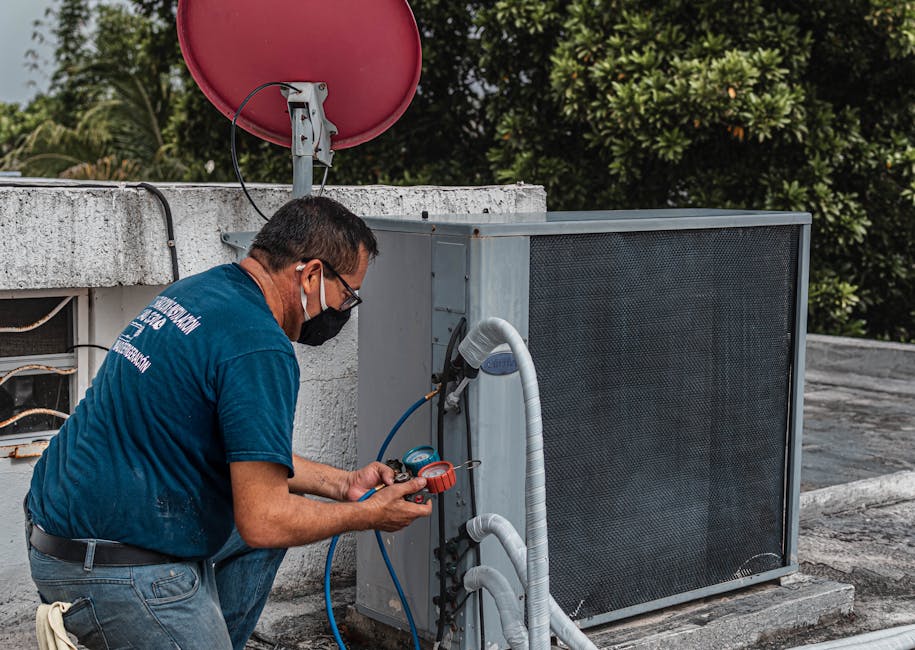
A high efficiency rating on the box means little if the installation underneath it falls short. Even the most advanced, highest-rated system can underperform badly when it is sized wrong for the home, charged with the incorrect amount of refrigerant, or connected to leaky, undersized ductwork. Poor airflow across the coils alone can quietly erode a premium system’s real-world performance until it barely outpaces a budget unit.
This is why a professionally installed mid-range system so often beats a poorly installed premium one in actual monthly bills. Correct sizing, proper refrigerant charge, sealed ductwork, and clean airflow all work together to let a system hit the numbers printed on its label. A homeowner comparing quotes should weigh the installer’s process just as carefully as the equipment’s rating, since the two factors combine to determine what a home actually experiences in daily comfort and energy use.
The Bottom Line On Efficiency Ratings
SEER and SEER2 describe how efficiently a system cools across a season, AFUE describes how efficiently a furnace turns fuel into heat, HSPF describes a heat pump’s heating performance, and EER captures efficiency at the hottest moments of the year. Each of these ratings adds one piece to the picture, and none of them guarantees results without a quality installation behind it.
The smartest approach blends a cooling-focused SEER choice suited to a long, hot summer, a reasonable AFUE pick that matches a mild winter, and a contractor willing to explain how the installation itself will affect real-world performance. Getting all three pieces right turns an efficiency rating from a number on a sticker into genuine comfort and lower bills for years to come. For homeowners ready to compare options, working with a qualified HVAC replacement specialist can help match the right efficiency rating to the home’s actual needs.
Shirley Air
11550 S Pipeline Rd
Euless
TX
76040
United States


