 Photo from Pexels
Originally Posted On: https://sloanestreetsurgery.co.uk/articles/exercise-as-medicine/
Exercise as Medicine: benefits, types and how much
It will come as no surprise to anyone to hear exercise is good for us. However, all too often, we are met with anxiety and confusion when advising people to start getting fit. This is especially true for older age groups who have never been regular gym-goers. Where do I start? How much can I do? What type of exercise is ‘best’? Aren’t I too old to lift weights?
What are the benefits of exercise?
There are many, and they apply to almost every type of exercise:
Cardiovascular health
The heart is made up of muscles that need to be exercised. Exercise reduces blood pressure, improves the cholesterol profile (lowers the total cholesterol, LDL and triglycerides and raises the HDL), and improves circulation (think reduced risk of cold hands and feet and varicose veins). As a result, the stroke and heart attack risk drops.
Metabolic health
Exercise reduces the risk of developing type 2 diabetes and can help improve insulin sensitivity in both diabetics and non-diabetics. It helps your body manage blood sugar more effectively. Finding out how our body reacts to sugar is very much on trend these days.
Muscle strength
Being stronger is never a bad thing. You do not need to become a bodybuilder, but being able to lift, carry and move things makes a huge difference to independence as we age. One of the frustrations we hear is needing help with simple tasks such as getting up from a low chair. Strengthening the major muscle groups of the shoulders, pelvis and thighs helps maintain function and keeps you independent and feeling young.
Joint pains
Muscles, ligaments and tendons act to support joints. The stronger these are, the less pressure passing through the associated joints, reducing the pain of osteoarthritis.
Balance
As we age, our risk of falls increases for multiple reasons including dizziness due to neurological issues, low blood pressure from over-medicating and poor balance. Simple balance exercises can make a significant difference. Can you walk comfortably on uneven ground? Can you move easily from a hard floor to a soft carpet? Can you bend down to pick something up without wobbling?
Bone strength
Weight-bearing exercise helps bones stay strong. This reduces the risk of osteoporosis and osteopenia, sometimes referred to as ‘brittle bones’. Either of these diagnoses increases the risk of fractures, which is particularly worrying as we age as any fracture leads to reduced mobility, function and independence for a short while. In that time, the person loses the benefits of exercise and the vicious cycle starts. Less exercise leads to worsening health, increased falls risk and, subsequently, greater risk of further fractures.
Mental health
How often have you felt happier, more energetic and more positive after a long walk or hike? Exercise improves energy levels, reduces symptoms of anxiety and supports cognitive function as we age.
What type of exercise should I do?
Any movement is better than none, but ideally you should include a mixture of:
- Cardiovascular exercise
Many people ask “I walk the dogs, is that enough?” For some people, it is. A good cardiovascular workout should make you short of breath so that having a normal conversation feels difficult. For some people, a dog walk achieves that. For others, it won’t. Over time you will find you need to walk faster to reach that level, which is a sign your fitness is improving.
- Resistance training
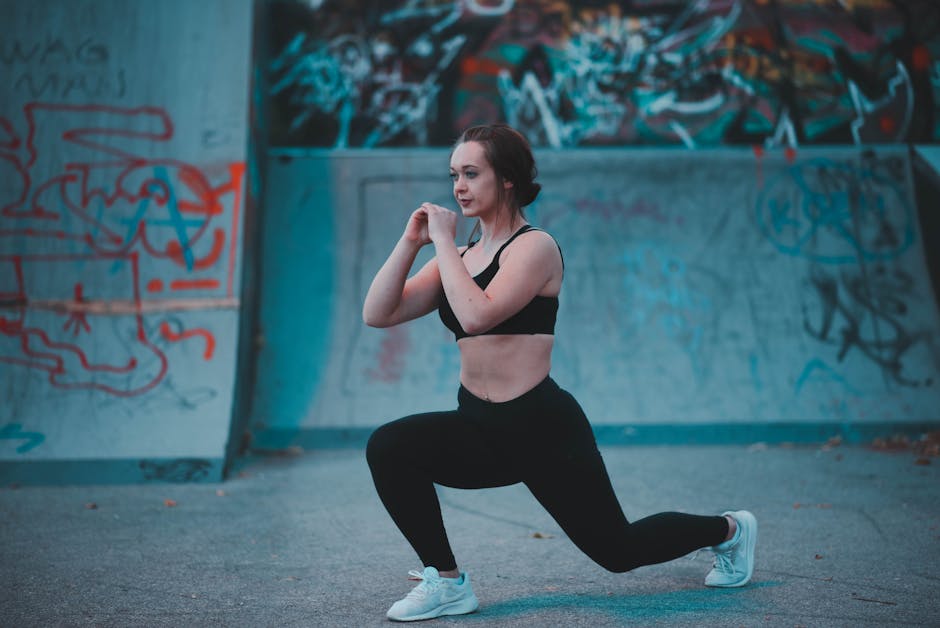
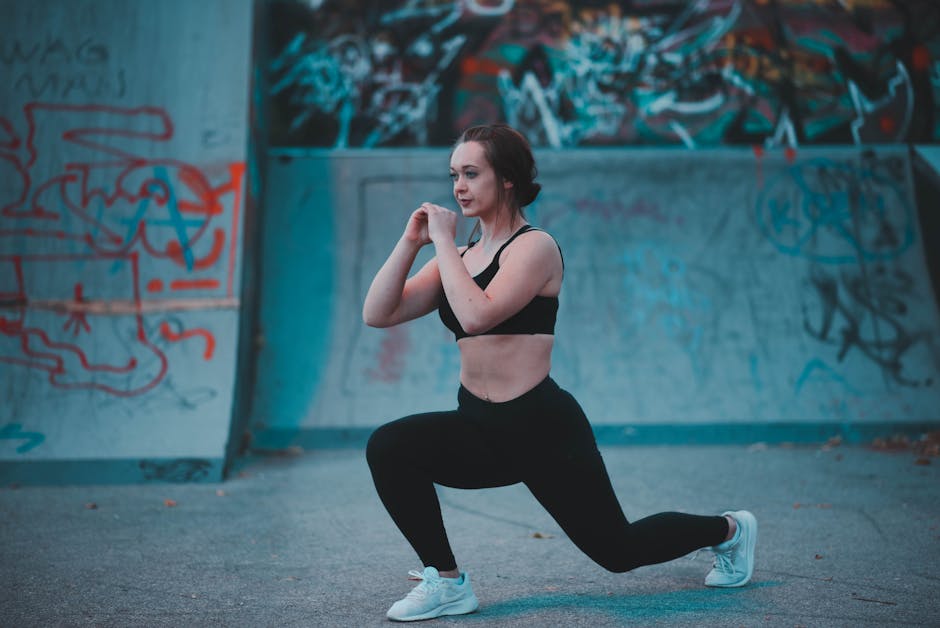
This includes Pilates, body weight exercises, using resistance bands or lifting free weights. If you have little experience of any of these, a personal trainer can help you get started safely and build confidence.
- Balance and flexibility
Yoga and/or Pilates are excellent options.
How much exercise should I do?
Some activity is always better than none. UK guidance recommends:
- 150 minutes a week of moderate activity, or
- 75 minutes a week of vigorous activity plus
- 2 sessions a week of strength or balance training
Spread across seven days, this is more achievable than many people realise. Once you appreciate the range of potential benefits, it is much easier to prioritise it and make exercise fit your schedule (or, even, make your schedule fit exercise!).
I have a medical condition. Is it safe for me to exercise?
Each case must be assessed individually. However, it is extremely rare for exercise to be prohibited because the risks outweigh the benefits. Almost everyone can and should be exercising regularly.
How do I start exercising safely?
If you are thinking about starting a regular exercise program for the first time, we recommend booking a consultation to discuss your medical history, goals and how to begin safely. You can book an appointment here or call us on 0207 245 9333.
About the author
Dr Munraj Gill
MBBS BSc (Hons) MSc MFSEM MRCGP
“It’s a rare privilege to be trusted with people’s lives — and here at Sloane Street Surgery, I’m grateful to have the time to truly get to know my patients and their needs.”
I enjoy all areas of general practice and the variety it brings, caring for patients of all ages and their families. I have a particular interest in musculoskeletal health, preventative medicine, and the role exercise can play in recovery and long-term wellbeing.