Key Takeaways
- Spring is one of the busiest seasons for kitchen remodeling and home renovation projects, as homeowners look to refresh living spaces after winter.
- Many homeowners are prioritizing strategic upgrades instead of full gut renovations, focusing on improvements that enhance both function and aesthetics.
- Natural materials such as wood, stone, and textured tile are becoming increasingly popular in modern kitchen remodeling projects.
- Designers are moving away from sterile, all-white kitchens toward warmer colors, layered lighting, and character-rich details.
- Experienced remodeling contractors play a crucial role in executing upgrades such as flooring installation, cabinetry adjustments, and structural improvements safely and efficiently.
Spring has long been the unofficial start of renovation season. Warmer weather, longer daylight hours, and a renewed focus on improving the home environment encourage many homeowners to begin planning upgrades. Kitchens often sit at the top of these renovation lists. As the central hub of daily activity—where families cook, gather, entertain, and even work—this space naturally becomes a priority when homeowners start thinking about improving comfort and functionality.
In 2026, kitchen remodeling ideas are evolving in ways that reflect broader lifestyle changes. Instead of pursuing highly polished, showroom-style interiors, homeowners are increasingly interested in spaces that feel warm, personal, and adaptable to everyday life. Design trends this spring emphasize thoughtful materials, practical layouts, and subtle design details that make kitchens easier to use while also creating a welcoming atmosphere.
Strategic Kitchen Upgrades Are Replacing Full Renovations
In previous years, kitchen remodeling often meant extensive demolition and reconstruction. Today, many homeowners are approaching renovation projects more strategically. Rather than tearing out entire kitchens, they are identifying targeted upgrades that improve the space without requiring a complete overhaul.
For example, replacing outdated countertops, installing new cabinetry hardware, or upgrading backsplash materials can dramatically change the overall appearance of a kitchen. Similarly, refinishing cabinets or repainting key elements can refresh a room while preserving existing structures.
These upgrades allow homeowners to modernize kitchens while maintaining control over budgets and timelines. Strategic improvements also reduce construction disruption, making it easier for families to continue using their kitchens throughout the renovation process.
Another benefit of this approach is flexibility. Smaller upgrades can be completed in phases, allowing homeowners to gradually refine their kitchens as design ideas evolve.
Natural Materials Are Shaping Modern Kitchen Design
Natural materials continue to play a significant role in kitchen remodeling projects this year. Designers and homeowners alike are gravitating toward surfaces that add warmth and texture to interiors.
Stone countertops remain a popular choice, particularly varieties that feature distinctive veining or natural movement. These surfaces bring character to kitchens and often become focal points within the room. Similarly, wood cabinetry and open shelving are gaining attention for their ability to soften modern kitchen designs.
Wood tones ranging from light oak to deeper walnut finishes are helping homeowners introduce warmth into spaces that might otherwise feel too minimal. Paired with stone surfaces, these materials create kitchens that feel balanced and grounded.
Textured tile is also gaining popularity, particularly for backsplashes and accent walls. Handmade or artisan-style tiles can introduce subtle imperfections and depth that add visual interest without overwhelming the space.
Together, these materials contribute to kitchens that feel more inviting and connected to natural environments.
Color Is Returning to the Kitchen
For years, white kitchens dominated renovation projects because of their timeless appearance and bright aesthetic. While white cabinetry and neutral palettes remain common, homeowners are increasingly exploring richer color options that add personality.
Deep blues, soft greens, and earthy tones are appearing in cabinetry, islands, and accent walls. These colors can introduce depth into kitchens while still maintaining a calm and sophisticated atmosphere.
Muted color palettes tend to work especially well when paired with natural materials. For example, a soft green island paired with wood cabinetry or stone countertops can create a layered, balanced look.
Another advantage of color is its ability to highlight architectural features. A darker shade applied to a kitchen island, for example, can visually anchor the room while contrasting with lighter cabinetry around it.
For homeowners who prefer more subtle changes, color can also be introduced through backsplashes, decorative tiles, or painted trim.
Vintage and Character-Rich Details Are Making a Comeback
Kitchen remodeling trends this spring also reflect a growing appreciation for character and craftsmanship. Instead of sleek, ultra-minimalist interiors, homeowners are incorporating elements that give kitchens a sense of history and personality.
Decorative cabinet hardware, for instance, can dramatically influence the overall aesthetic of a kitchen. Brass or antique-style finishes are becoming increasingly popular because they complement both traditional and modern cabinetry.
Similarly, crown molding and trim details are being used more frequently to elevate cabinetry and define architectural lines within the kitchen. These finishing touches help transform standard cabinets into more refined design elements.
Open shelving is another feature gaining attention. While not suitable for every kitchen, well-designed shelving can display dishware, glassware, or decorative objects in ways that make the space feel lived-in and welcoming.
Vintage-inspired lighting fixtures, such as globe pendants or metal lantern-style lights, are also appearing in kitchens where homeowners want to blend contemporary layouts with classic design influences.
Kitchen Islands Continue to Evolve
Kitchen islands have become one of the most important components of modern kitchen design. In many homes, the island functions as a multi-purpose surface for food preparation, casual dining, and social interaction.
This spring, many remodeling projects are focusing on expanding or upgrading islands to improve functionality. Larger islands can provide additional storage, accommodate seating, or incorporate specialized features such as built-in sinks or beverage stations.
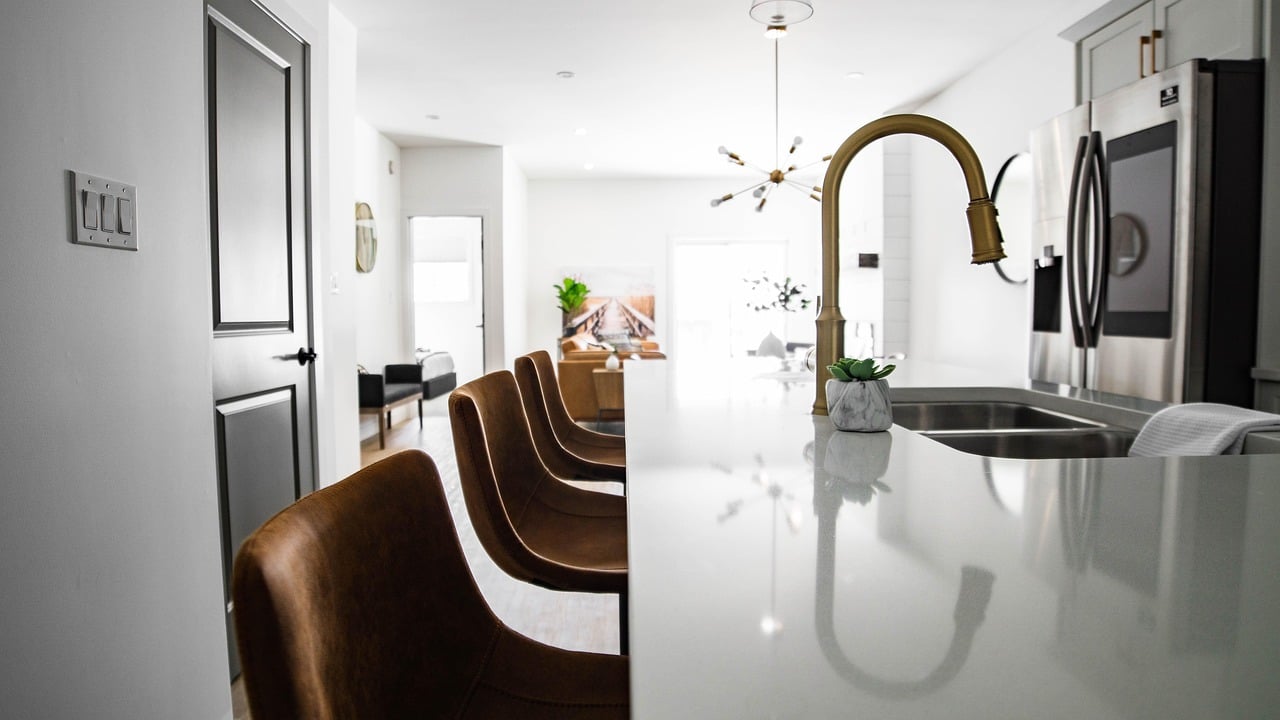
In addition to practical upgrades, islands are increasingly treated as design statements. Contrasting cabinet colors, distinctive countertop materials, and unique lighting fixtures can help islands stand out visually within the kitchen.
When thoughtfully designed, an island can serve as the centerpiece of the entire room while also making the kitchen more efficient to use.
Lighting Is Becoming a Central Design Element
Lighting has always been essential in kitchens, but it is receiving greater design attention in 2026 remodeling projects. Homeowners are recognizing that thoughtful lighting plans can significantly improve both the functionality and mood of a space.
Instead of relying on a single overhead fixture, modern kitchens often incorporate layered lighting. This includes ambient lighting for overall brightness, task lighting for food preparation areas, and accent lighting that highlights architectural features.
Pendant lighting above islands remains one of the most popular design choices. These fixtures can provide focused illumination while also contributing to the kitchen’s visual style.
Under-cabinet lighting is another practical upgrade. By illuminating countertops directly, these fixtures make cooking tasks easier and safer while also adding subtle warmth to the room.
When combined, these lighting elements help create kitchens that feel both comfortable and visually dynamic.
Durable Flooring Choices Matter More Than Ever
Kitchen flooring plays a critical role in both aesthetics and functionality. Because kitchens experience constant foot traffic, spills, and temperature fluctuations, homeowners are increasingly prioritizing durable materials.
Hardwood flooring remains a popular option for its natural beauty and ability to connect kitchen spaces with adjacent living areas. However, engineered wood and luxury vinyl materials are also gaining attention because they offer improved moisture resistance.
Tile flooring continues to be widely used in kitchens, particularly in homes where durability and easy maintenance are essential. Large-format tiles can create a seamless appearance that visually expands the space.
When choosing flooring materials, homeowners often consider how surfaces will perform over time. Slip resistance, stain protection, and long-term durability are key factors influencing remodeling decisions.
Selecting the right flooring can help ensure that a kitchen remains both stylish and functional for years to come.
Why Experienced Remodeling Contractors Are Important
While many kitchen remodeling ideas begin as design inspiration, turning those ideas into reality requires careful planning and technical expertise.
Kitchen renovations often involve complex structural considerations, including electrical systems, plumbing lines, ventilation, and load-bearing elements. Even upgrades that appear straightforward—such as installing new flooring or adjusting cabinetry—can require specialized tools and construction knowledge.
Experienced remodeling contractors help homeowners navigate these challenges by coordinating the various aspects of a renovation project. From evaluating structural conditions to ensuring proper installation of materials, professionals bring the technical expertise necessary to execute designs safely and efficiently.
Contractors can also help homeowners determine which upgrades will provide the most long-term value. Proper installation of cabinetry, waterproofing around sinks and backsplashes, and precise flooring placement all contribute to a kitchen’s durability and performance.
Industry professionals note that successful remodeling projects rely on both creative vision and skilled craftsmanship. While homeowners may gather inspiration from design trends and renovation ideas, experienced contractors play a vital role in translating those ideas into functional spaces that support everyday living.
World Class Remodeling, LLC
31 Appletree Lane
Old Bridge
New Jersey
08857
United States