Midland Dry Cleaner Shares What Impacts the Cost of Cleaning Clothes
Midland, United States – July 13, 2026 / Iron Press Cleaners /
Iron Press Cleaners Explains What Dry Cleaners Look at Before Quoting a Price
Midland Dry Cleaning Provider Helps Customers Understand the Details Behind Garment Pricing
Fabric, construction, stains, specialty care, and local wardrobe needs all play a role in the final price
Iron Press Cleaners is helping customers better understand what goes into the price listed on a dry cleaning receipt. According to the Midland-based cleaning provider, a dry cleaning quote is not a guess. It is based on what the cleaner notices during the first inspection of a garment, including the fabric, construction, stains, care requirements, and any special handling needs.
By understanding these factors, customers can better prepare items for drop-off, communicate important details, and improve the results they receive when their garments are returned.
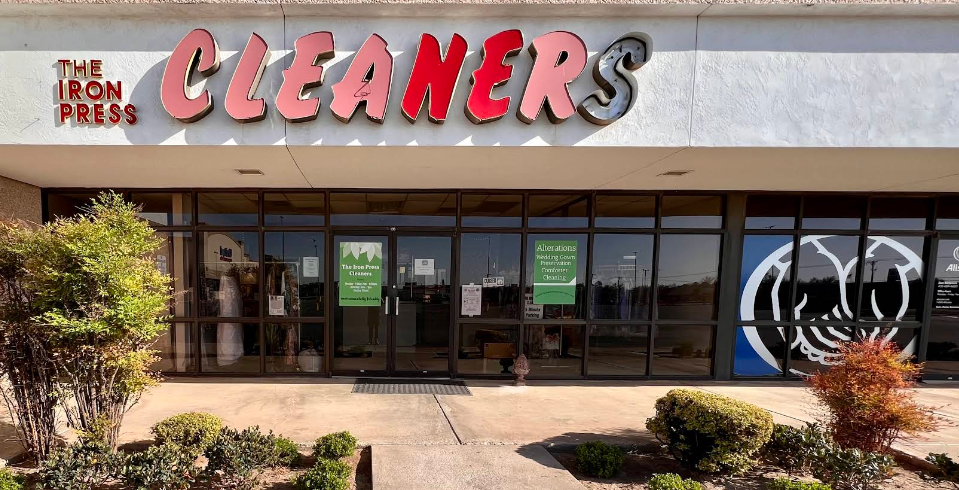
Fabric Type Is One of the First Details Dry Cleaners Review
The care label inside a garment is one of the first things a professional dry cleaner checks. It identifies the fabric content and helps determine which solvent should be used, how long the cleaning cycle should run, and how carefully the garment must be handled after cleaning.
Polyester blends are generally more forgiving, while fabrics such as silk, rayon, wool, cashmere, and linen require more precision. Silk can shrink, distort, or lose its sheen if handled incorrectly. Wool often requires low-heat finishing. Rayon can wrinkle permanently if rushed. Linen may require additional pressing time because of its tendency to wrinkle.
Common fabric pricing considerations include:
Cotton and polyester blends are typically among the most affordable because they can often be machine-processed.
Wool and cashmere usually fall into a mid-range category because they require low-heat finishing and careful pressing.
Silk and rayon often cost more because they require delicate handling and specialized care.
Linen may require additional labor because of the extra pressing time needed to create a clean finish.
Care Labels Do Not Always Tell the Full Story
Iron Press Cleaners notes that some garments contain blended fibers that do not behave exactly like either material listed on the tag. For example, a wool-polyester blend may need to be handled more like wool than polyester to protect the garment during cleaning and finishing.
Unlabeled vintage pieces and imported garments without clear care tags may also require a physical assessment before a firm price can be provided. This additional review is not a concern, but rather a best practice used to protect the garment and provide an accurate quote.
Garment Construction Can Affect the Price as Much as Fabric
A blazer and a dress shirt may be made from similar materials, but the cleaning price can still be very different. Iron Press Cleaners explains that construction often matters as much as the fabric itself.
A blazer may include canvas interlining, shoulder pads, satin lining, and multiple sewn layers. These features can delaminate, shift, or distort if handled incorrectly. A dress shirt, by comparison, is typically a simpler garment that can move through a standard cycle and pressing process more efficiently.
Structured items such as blazers, lined gowns, multi-layer coats, and formal jackets often cost more because they require more careful handling and more time.
Construction details that may increase cleaning costs include:
Canvas or fused interlinings commonly found in blazers and suit jackets.
Satin, mesh, or sheer linings that need separate attention.
Pleats, ruffles, or embellishments that cannot be machine-pressed.
Beading, sequins, or heat-sensitive decorations.
Structured elements such as shoulder pads or boning.
Stain Type and Severity Can Change the Cleaning Process
Iron Press Cleaners encourages customers to point out stains during drop-off. When a stain is identified before cleaning, the garment can be pretreated before entering the cleaning cycle. This gives the stain a better chance of being removed and is often included in standard pricing.
When stains are not disclosed, they may remain after the standard cleaning cycle. In some cases, the garment may require a second round of treatment. Stains that have been exposed to heat during the first cycle can also become more difficult to remove.
Stain-related factors that may affect results and cost include:
Oil-based stains, such as food grease and body oils, often respond to solvent-based cleaning.
Protein-based stains, such as blood or sweat, may require enzyme treatment.
Tannin stains, such as wine or coffee, need a different pretreatment than dye-based stains.
Set-in stains, especially those that have already been dried, may require multiple treatment rounds.
Older stains are generally more difficult to remove, regardless of the source.
Customers Can Improve Results by Checking Garments Before Drop-Off
A simple inspection before drop-off can help improve dry cleaning results. Iron Press Cleaners recommends that customers take a brief moment to check cuffs, collars, underarms, front plackets, and other common stain areas before bringing garments in.
Pointing out visible stains at the counter helps the cleaner choose the correct pretreatment and reduces the chance that a stain will be missed during the standard process.
Special Requests May Affect the Final Price
Standard dry cleaning typically follows a standard turnaround time, often one to two business days depending on the provider. When customers request faster service or more detailed handling, the price may change.
Iron Press Cleaners explains that services such as rush turnaround, hand finishing, specialty packaging, and minor repairs require added time, labor, or scheduling adjustments. These services are not simply add-ons, but practical upgrades based on the customer’s needs and the garment’s condition.
Common special requests include:
Rush or same-day service, which may carry a surcharge.
Hand pressing for delicate fabrics or structured garments.
Special packaging, such as garment bags or box folding for formalwear.
Minor repairs, including button replacement or small seam fixes.
Hand Finishing Can Be Worth the Upgrade for Important Garments
Hand finishing may provide a noticeable improvement for structured garments such as blazers, formal jackets, and garments worn for important occasions. While machine pressing is efficient and suitable for many items, hand finishing can create a sharper result for weddings, job interviews, formal events, and professional settings.
Iron Press Cleaners encourages customers to ask during drop-off whether a garment would benefit from hand finishing.
Midland Wardrobes Often Require Specialty Dry Cleaning Knowledge
Dry cleaning in Midland, Texas, often involves garments and materials that reflect the region’s lifestyle and industries. Iron Press Cleaners regularly sees westernwear, oil industry workwear, and high-end ranching attire, each of which may require a different pricing approach.
Pearl-snap western shirts with decorative embroidery often need careful finishing because embroidered panels cannot be machine-pressed flat.
Starched jeans and work pants require starch application as a separate finishing step. The crisper the crease, the more work is involved.
Leather and suede pieces require specialized solvents and handling outside the standard cleaning process.
Oil industry workwear with heavy soiling may require more solvent, additional passes, and more labor due to mechanical grease and industrial residue.
Dress hats and structured cowboy hats may require specialty cleaning and reshaping, and not all providers offer this service.
Leather and Suede Require Specialized Care
Leather and suede items often surprise customers because of both the price and the visible improvement after professional cleaning. These materials can oxidize and absorb odors over time. Proper professional cleaning can help restore suppleness and improve color in a way that home conditioning cannot replicate.
Iron Press Cleaners recommends professional care for leather jackets, suede vests, and other specialty pieces that have been put off due to uncertainty about the cleaning process.
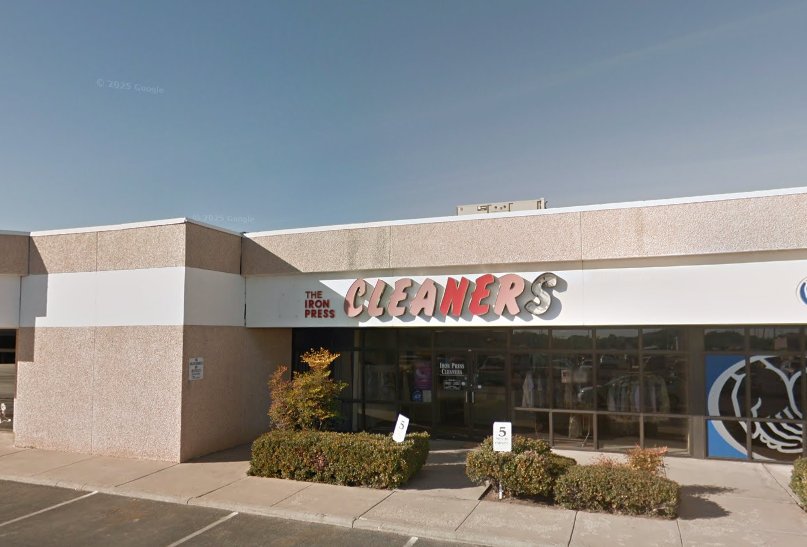
Iron Press Cleaners Provides Clear Quotes Before Cleaning Begins
Most dry cleaning transactions happen quickly, but Iron Press Cleaners emphasizes the importance of a clear intake conversation. When the cleaner takes time to inspect the garment, identify risks, and explain the process, customers are more likely to understand the price and receive the results they expect.
At Iron Press Cleaners, garments are reviewed at drop-off so customers can be told what the cleaner sees and given a clear price before the cleaning process begins. The company has served Midland for more than 40 years and continues to prioritize careful garment inspection, clear communication, and professional results.
Customers in Midland, Texas, can stop in today or sign up for Iron Press Cleaners’ free pickup and delivery service.
Contact Information
Iron Press Cleaners
Midland, Texas
Phone: (432) 300-6935
Free Pickup and Delivery Service Available


Contact Information:
Iron Press Cleaners
1309 North Big Spring Street
Midland, TX 79701
United States
Ross Howell
(432) 685-0139
https://ironpresscleaners.com/

Original Source: https://www.ironpresscleaners.com/what-affects-dry-cleaning-prices/